Independent and unofficialAs-is offer

What is your home worth? Five honest ways to find out.

A home value estimator gives you one number. In Canada there are five different ways to value a home, each made for a different job. Pick your province and your reason below, and get the right method and a checklist with official sources.

An independent, unofficial guide. Not affiliated with any government, assessment agency or land registry; every provincial fact links to its official source.

  1. 1Property assessmentFree, dated, made for tax
  2. 2Comparable salesWhat similar homes sold for
  3. 3Professional appraisalA written, defensible opinion
  4. 4Market analysis (CMA)A salesperson's free estimate
  5. 5Online estimatorsInstant, automated, approximate
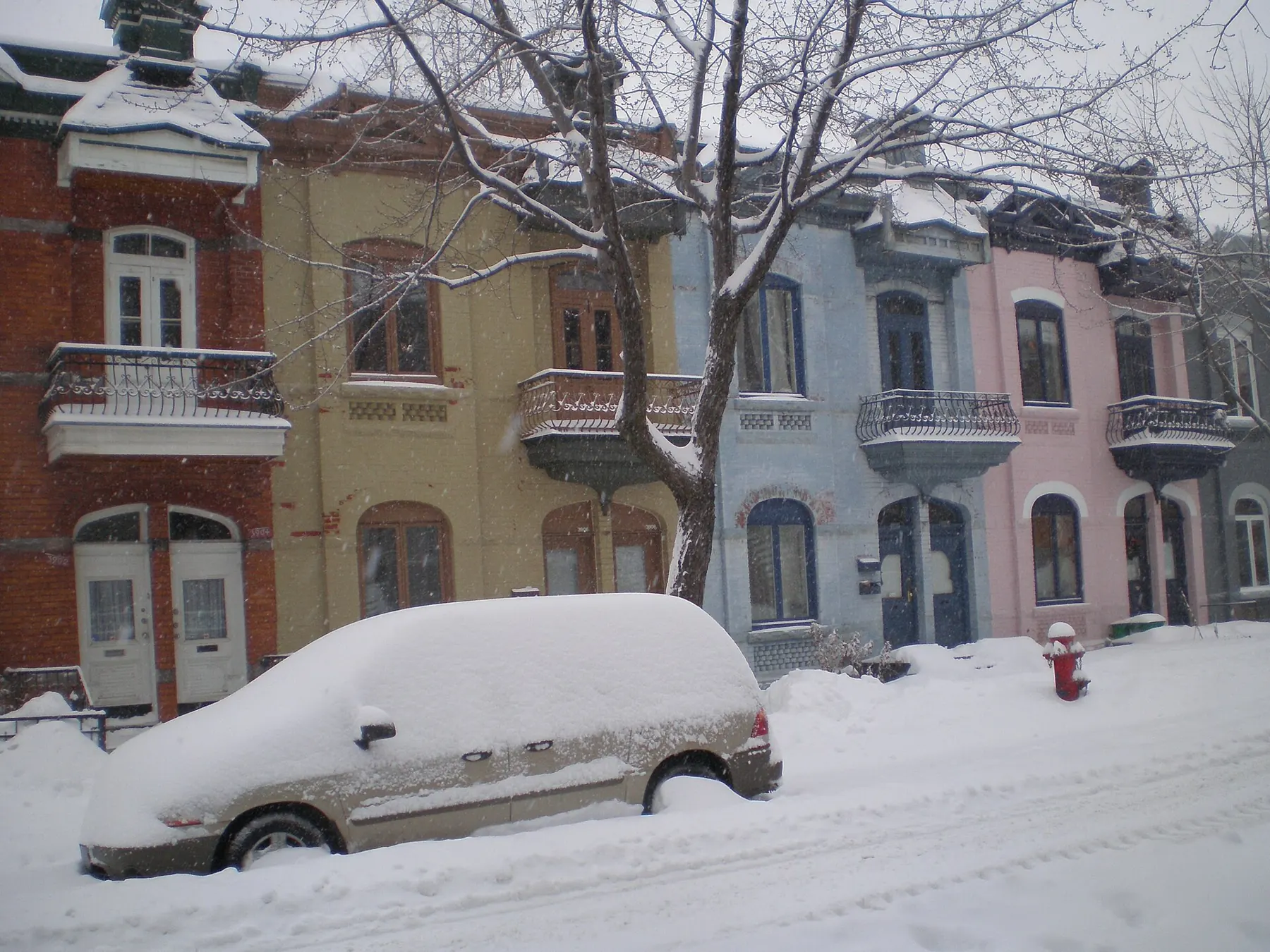
Snow-covered row of colourful plexes with balconies in the Plateau Mont-Royal, Montreal, Quebec, Canada
Plexes in the Plateau Mont-Royal, Montreal. Similar buildings on one street can still differ in value.Photo: Neige Plateau Mont Royal Montréal by Tetro Smog on fr.Wikipédia, CC BY-SA 3.0 via Wikimedia Commons

The checklist

Your province, your reason, your checklist

Assessment rules, valuation dates and land registries differ from one province to the next. Choose yours, then tell us why you need a value, and the guide ranks the methods and builds a to-do list.

1 Where is the home?

2 Why do you need a value?

Pick a province to build your checklist. Every provincial fact links to its official source.

Your ticks are kept only in this browser.

The five methods

The five methods, side by side

I

Property assessment

Every province values property for taxation. The figure is produced for whole areas at once, usually at a valuation date in the past, and it is free to look up.

Cost
Free
Best for
Context and comparing with neighbours
Watch out
Valuation dates can be years old (Ontario still uses 2016).
Read chapter I
II

Comparable sales

Recent sold prices of similar homes nearby are the backbone of every serious valuation. You can gather them yourself through provincial registries or ask a salesperson.

Cost
Free to small registry fees
Best for
Pricing, checking any other estimate
Watch out
Asking prices are not sold prices.
Read chapter II
III

Professional appraisal

A trained appraiser inspects the home and writes a report. Lenders, estates and family law matters lean on it.

Cost
A professional fee
Best for
Lending, estates, separations, unusual homes
Watch out
It reflects one date and one appraiser's choice of sales.
Read chapter III
IV

Market analysis (CMA)

A real estate salesperson compares your home with recent sales and current listings, usually hoping to win the listing.

Cost
Usually free
Best for
Deciding a list price
Watch out
It doubles as a sales pitch.
Read chapter IV
V

Online estimators

Websites run automated models on whatever property and sales data they hold, and give an instant figure or range.

Cost
Free
Best for
Curiosity and a first look
Watch out
They rarely know your home's condition.
Read chapter V
Skip the homework: ask for an as-is offer

Fair warning

Sometimes the best price comes from listing

We buy homes as-is, so it would be easy to tell you that a quick sale is always the answer. It is not. A well-kept home in a steady market, sold by an owner with time to spare, will usually fetch more when it is listed with a brokerage and shown to many buyers.

An as-is sale earns its place when the home needs work you cannot take on, when it is tied up in an estate or a separation, when tenants live there, or when the date matters more than the last dollar. Knowing your value first lets you judge any offer, including ours.

When an as-is sale makes sense
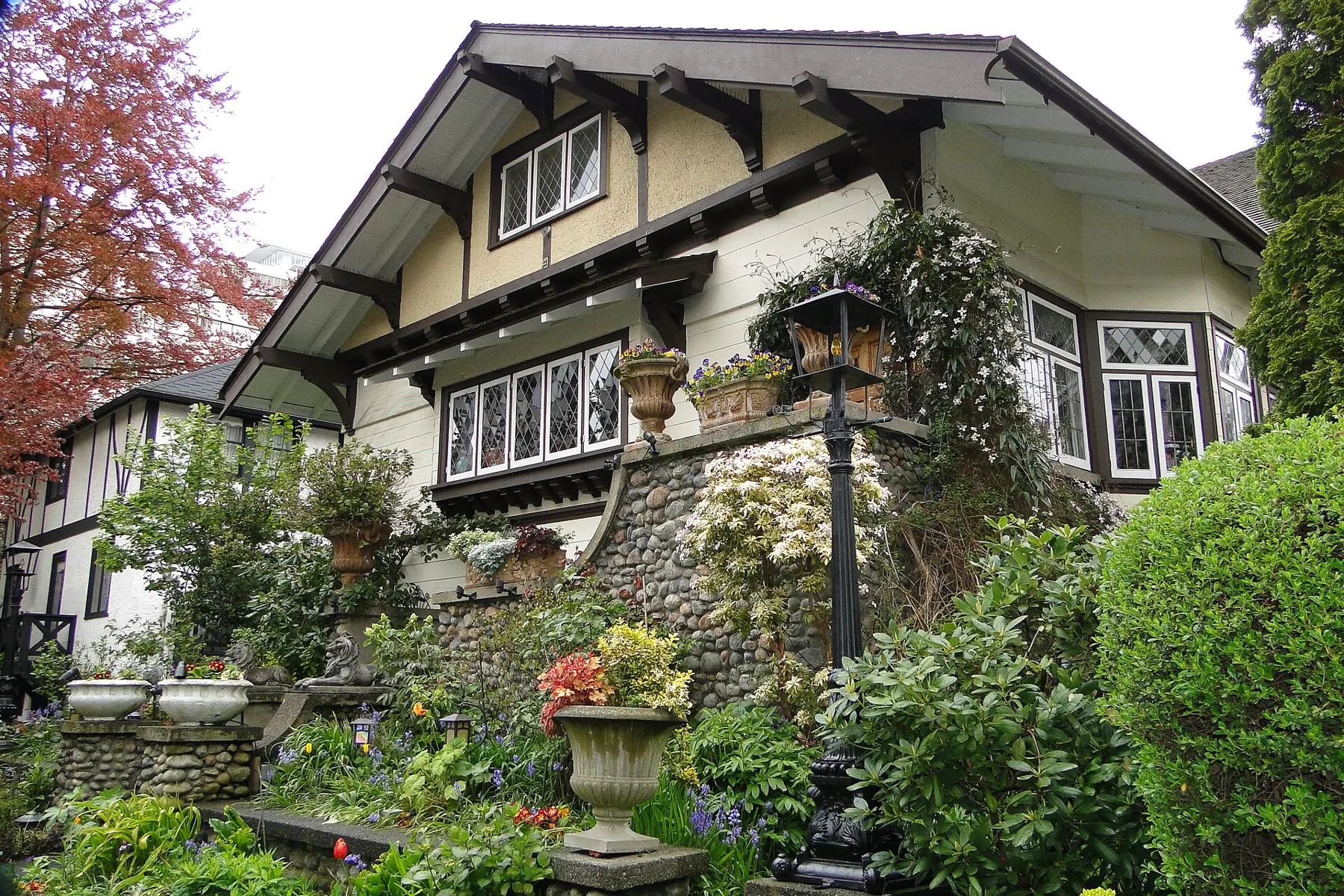
Craftsman-style house with a garden in Kitsilano, Vancouver, British Columbia, Canada
A craftsman house in Kitsilano, Vancouver.Photo: Kitsilano House and Garden - Vancouver BC - Canada by Adam Jones, Ph.D., CC BY-SA 3.0 via Wikimedia Commons

Terms of dealing

If you ask us for an offer, here is how it works

  1. We explain the figure

    Our offer arrives with the comparable sales, the repair estimate and the costs behind it, so you can check it against the methods in this guide.

  2. Nothing to pay us

    No commission and no fees to us at any stage.

  3. Lawyer review, always

    You sign nothing until your own lawyer or notary has read the agreement.

  4. What we refuse to do

    Rush you, invent a deadline, or keep quiet when listing would serve you better.

  5. Privacy and consent

    The form is the only thing we receive. We contact you only with your consent, and you can withdraw it at any time.

Ask for an offer on these terms

Reader questions

Asked and answered

Q.Which home value estimator is the most accurate in Canada?

A.No single tool wins everywhere. Accuracy depends on the sales data available in your area and on how ordinary your home is. Compare any estimate with three to five real sold prices, and use an appraisal when the number really matters.

Q.Is my property assessment the same as market value?

A.Not usually. Assessments are made for taxation, for every property at once, and tied to a valuation date that can be well in the past. Several provinces say on their own sites that assessed value may differ from a sale price.

Q.How do I see what homes sold for near me?

A.Sales are recorded when ownership transfers. Provincial land registries let you search registered documents, usually for a fee, and some provinces show recent sales beside assessments. A salesperson can also share sold data.

Q.When should I pay for an appraisal?

A.When someone else has to rely on the number: a lender, an estate, a court or a co-owner. Also when the home is unusual enough that few true comparables exist.

Q.Does the checklist save my answers?

A.Only in your own browser, so the list is there when you come back. Nothing is sent to us.

Q.Can I get a firm number instead of an estimate?

A.Yes. We buy homes as-is across Canada and can give you a written offer you could actually sign, with no repairs or showings.

Ask us about your home instead

Want a firm as-is cash offer instead?

Five estimates, or one number you can sign

Estimates describe the market. An as-is offer describes your deal: what you would receive for this home, in this condition, on a date you pick.

We are a principal buyer, not a brokerage. We explain how we reached our figure, and if listing looks better for you we will say so.

  • Sold in its current condition
  • No commission on our purchase
  • A closing date you choose
  • Reviewed by your own lawyer
As-is
offer

Request a firm as-is offer

Tell us about the home. There is no obligation.

A principal buyer, not a brokerage. See the privacy policy.